
In the construction industry, efficiency, safety, and material integrity are paramount. One of the key pieces of equipment ensuring smooth operations in cement transport is the cement bulker truck, also known as a bulk cement trailer. These vehicles are specifically designed to transport large quantities of dry cement from production facilities to construction sites, ensuring that material is delivered safely, quickly, and with minimal loss.
Understanding the uses, advantages, and technological features of cement bulker trucks can help construction companies, contractors, and logistics managers make informed decisions, optimize operations, and reduce costs.
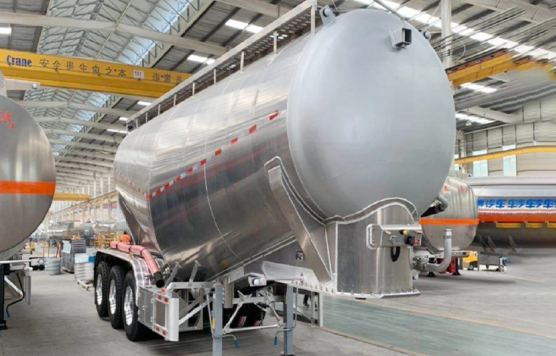
Cement bulker trucks are specialized vehicles designed to carry powdered cement in bulk. Unlike bagged cement transport, bulk trucks allow companies to move massive quantities efficiently while minimizing manual handling.
Key components of a typical cement bulker truck include:
Cylindrical Storage Tank: Designed to store large amounts of dry cement, often ranging from 20 to 60 tons per trailer.
Pneumatic Systems: For unloading cement using air pressure to maintain flow while preventing material loss.
Loading and Unloading Ports: Facilitating quick filling at factories and safe transfer at construction sites.
Safety Valves and Pressure Sensors: Ensuring the integrity of the transported material and preventing accidents.
By combining these elements, cement bulker trucks provide a practical solution for delivering bulk cement efficiently and safely.
The most common use of cement bulker trucks is the bulk transport of cement powder from production plants to construction sites. This is particularly important for large-scale projects requiring consistent and high-volume deliveries, such as:
Commercial buildings and skyscrapers
Bridges and highways
Industrial facilities
Large residential developments
By transporting cement in bulk, companies save time and labor compared to handling bagged cement while maintaining material quality.
Cement bulker trucks are integral to ready-mix concrete plants, where cement must be delivered consistently to ensure a steady supply of fresh concrete.
Efficiency: Continuous bulk delivery reduces downtime for batching plants.
Consistency: Bulk transport ensures that the cement’s quality and moisture content remain controlled, contributing to uniform concrete strength.
Some large construction projects utilize cement bulker trucks to deliver directly to site silos or storage tanks, enabling teams to mix concrete on-demand. This minimizes storage issues, reduces manual handling, and ensures a constant flow of material for uninterrupted construction activities.
High Efficiency
Cement bulker trucks enable the transport of large quantities of cement in a single trip, which dramatically reduces transportation time compared to handling individual bags. This efficiency not only lowers labor costs but also allows construction projects to maintain a steady supply of cement, ensuring that deadlines are met without unnecessary delays. For large-scale operations, the ability to deliver several tons of cement at once can streamline logistics and reduce the number of required trips, saving both fuel and operational resources.
Reduced Material Waste
Sealed bulk containers protect cement from external elements such as moisture, dust, and accidental spillage. By maintaining the integrity of the cement throughout transit, bulker trucks help ensure that the material arrives at the construction site in optimal condition. This minimizes the risk of quality degradation or loss, which can occur with traditional bagged cement handling, ultimately reducing costs associated with wasted or damaged materials.
Enhanced Safety
Manual handling of heavy cement bags can lead to injuries, including back strains and repetitive stress issues. Bulk transport minimizes direct human contact with cement, reducing the need for repetitive lifting, bending, or carrying. Workers are therefore less exposed to accidents, contributing to a safer and more compliant construction site environment.
Environmentally Friendly
By transporting cement in bulk, the need for thousands of individual cement bags is eliminated, reducing packaging waste significantly. Additionally, modern bulker trucks equipped with pneumatic unloading systems control dust emissions, improving air quality around the construction site. This environmentally conscious approach aligns with sustainability initiatives while supporting efficient and clean material handling.
Modern cement bulker trucks integrate advanced technology to ensure reliability, safety, and operational efficiency:
Pneumatic Unloading Systems: Air compressors help transfer cement smoothly into silos without dust leakage.
Pressure Monitoring: Sensors ensure that the tank maintains optimal pressure, preventing structural stress or accidental discharge.
Automated Flow Control: Regulates cement discharge to prevent overloading storage silos.
Temperature and Moisture Monitoring: Some high-end units monitor environmental conditions to protect cement quality during long-distance transport.
These technological improvements allow operators to manage deliveries efficiently while maintaining cement integrity.
When selecting a cement bulker truck, construction companies should evaluate several factors:
Determine the average volume of cement required per project. Bulker trucks come in various sizes, and choosing the right capacity optimizes both cost and efficiency.
Consider the types of roads the truck will traverse. Some models are better suited for urban delivery, while others are designed for off-road or rural construction sites.
High-quality stainless steel or aluminum tanks are preferred for durability and resistance to cement corrosion. Cylindrical designs facilitate efficient pneumatic unloading.
Reliable after-sales support, access to spare parts, and serviceability of pneumatic systems are crucial to ensure continuous operations without costly downtime.
Ensure the truck complies with local transport regulations regarding bulk cement transport, weight limits, and safety standards.
Using cement bulker trucks offers tangible economic benefits:
Lower Labor Costs: Fewer workers are needed for loading and unloading cement.
Time Savings: Faster delivery times accelerate construction schedules, reducing project duration.
Reduced Packaging Costs: Bulk transport eliminates the need for thousands of cement bags and related packaging.
Less Material Loss: Preserves cement quality and quantity, minimizing the need for additional purchases.
By adopting bulk transport, construction firms can maximize profitability while maintaining high standards of material quality.
Proper maintenance ensures long-term performance and safety:
Regular Cleaning: Cement residue can harden inside the tank and pipes. Periodic cleaning prevents clogs.
Check Pneumatic Systems: Inspect air compressors, valves, and hoses for leaks or wear.
Tank Inspections: Look for signs of corrosion or structural stress.
Brake and Suspension Maintenance: Heavy loads increase wear; regular checks prevent accidents.
Training for Operators: Skilled operators ensure safe handling and efficient unloading.
A proactive maintenance schedule minimizes downtime and prolongs the lifespan of the truck.
The construction industry is increasingly adopting innovations to improve cement delivery:
IoT and Telemetry: Smart sensors track tank pressure, temperature, and delivery schedules in real time.
Electric and Hybrid Trucks: Reducing carbon emissions while transporting bulk materials.
Automated Loading/Unloading Systems: Minimizing manual intervention and improving speed.
Integration with Construction Site Management Software: Streamlining project planning and material tracking.
These trends point to a future where cement transport is safer, more efficient, and more sustainable.
Cement bulker trucks, or bulk cement trailers, play an indispensable role in modern construction operations. From transporting large volumes of cement to construction sites, supporting ready-mix concrete production, to enhancing on-site material handling, these specialized vehicles optimize efficiency, reduce waste, and improve safety.
Choosing the right cement bulker truck requires careful consideration of capacity, terrain, tank design, and maintenance requirements. By investing in high-quality bulk transport solutions, construction firms can save costs, improve productivity, and ensure consistent material quality across projects.
For those looking to explore reliable bulk cement transport solutions and advanced cement trailer designs, we recommend visiting China Hongtai International Vehicles Co., Ltd.. Their extensive range of cement bulker trucks is designed to meet the needs of modern construction projects efficiently, safely, and sustainably.


