
Transporting cement efficiently and safely is a crucial aspect of the construction and industrial sectors. Cement is a fine powder that can lose quality quickly if exposed to moisture, contamination, or rough handling. With the rise of large-scale construction projects and industrial demands, transporting cement in bulk has become an essential solution for manufacturers and contractors. The Bulk Cement Trailer is the industry-standard vehicle designed specifically for this purpose.
A Bulk Cement Trailer is a specialized vehicle designed specifically for the safe and efficient transport of dry bulk materials such as cement, fly ash, lime, and other powdered substances. Unlike standard trucks or general-purpose freight vehicles, these trailers are equipped with advanced pneumatic systems that facilitate both loading and unloading, minimizing material spillage and contamination. Their design ensures that powdered materials maintain their quality during transit, making them indispensable in modern construction and industrial logistics.
One of the most defining features of a bulk cement trailer is its pneumatic discharge system. Using compressed air, cement is moved from the trailer compartments directly into storage silos or processing units. This system allows for controlled and smooth unloading, eliminating the need for manual labor and reducing the risk of accidents. Pneumatic systems also help maintain the integrity of the powdered materials, preventing clumping or moisture absorption during discharge.
Many bulk cement trailers are designed with multiple compartments, providing the flexibility to transport different types of cement or other powdered materials in a single trip. This feature is particularly useful for suppliers serving diverse clients or construction sites with varied material requirements. The compartments are carefully sealed to prevent cross-contamination and ensure that each type of material maintains its quality throughout the journey.
Bulk cement trailers are engineered to carry substantial loads, often ranging from 20 to 60 tons depending on the model. Their high-capacity design allows companies to maximize transport efficiency, reducing the number of trips needed for large-scale construction projects. This not only saves time and fuel costs but also lowers overall operational expenses, making them a cost-effective choice for bulk material logistics.
Durability is critical in bulk material transport, and these trailers are constructed from high-strength steel or corrosion-resistant alloys. Such materials ensure that the trailer can withstand the rigors of long-distance travel, rough terrain, and exposure to varying weather conditions. The robust construction also extends the trailer’s service life, minimizing the need for frequent replacements or repairs. Some trailers even feature special coatings to further protect against corrosion caused by cement dust and moisture.
Bulk cement trailers are designed with maintenance efficiency in mind. They often include accessible inspection hatches, modular components, and cleanable piping systems, allowing operators to perform routine inspections and cleaning with minimal downtime. Regular maintenance ensures smooth operation of pneumatic systems, prevents clogging, and keeps the trailer in optimal condition, which is essential for maintaining safe and reliable bulk transport.
Modern bulk cement trailers also prioritize safety. Many models come equipped with pressure relief valves, safety locks, and emergency discharge systems, ensuring that any operational issues can be handled without endangering personnel or compromising the cargo. These features are particularly important when transporting large quantities of fine powders, which can pose inhalation hazards or create dust-related safety risks.
In addition to cement, bulk trailers can transport a wide range of powdered or granular materials, including fly ash, lime, gypsum, and industrial powders. This versatility makes them suitable for multiple industries, from construction and cement production to chemical and mining applications. Their design allows for quick adaptation to different materials without extensive modifications, adding to operational efficiency.
Bulk cement trailers are also designed to reduce environmental impact. The sealed compartments and controlled discharge systems minimize dust emissions, while the reduced need for bagged packaging decreases waste generation. This makes bulk transport a more sustainable and eco-friendly option compared to traditional methods.
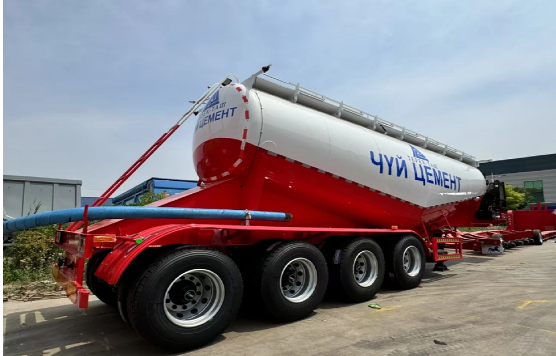
Transporting bulk cement involves several critical steps to ensure material quality, safety, and efficiency.
Bulk cement trailers are typically loaded at cement plants or storage facilities. The process involves:
Connecting the Trailer: Attach the pneumatic system to the cement storage silo.
Using Compressed Air: Compressed air pushes the cement into the trailer compartments.
Monitoring the Load: Sensors or manual checks ensure compartments are not overfilled, maintaining safe weight limits.
Once loaded, it’s essential to secure the trailer to prevent movement during transit:
Check Seals and Hatches: Ensure all access points are tightly closed.
Inspect Pneumatic Lines: Verify air lines are connected properly and there are no leaks.
Check Suspension and Tires: Proper suspension and tire pressure protect the trailer and its cargo from road shocks.
During transit, drivers should follow best practices to maintain cement quality:
Avoid Rough Roads: Excessive vibrations can cause material settling or compaction.
Maintain Speed Limits: Prevent sudden braking or acceleration that may affect trailer stability.
Monitor Weather Conditions: Keep trailers dry and protected from rain or high humidity.
Unloading is made efficient with the trailer’s pneumatic system:
Connect to Storage Silo: Attach the trailer discharge outlet to the silo inlet.
Activate the Air System: Compressed air moves the cement from the trailer to the storage facility.
Monitor Flow: Ensure a steady flow to avoid blockages or overflow.
Using a bulk cement trailer for transport offers several benefits over traditional methods:
Pneumatic unloading systems allow for rapid transfer of large volumes of cement, saving hours of labor compared to bagged transport.
Sealed compartments and controlled discharge minimize spillage, dust, and contamination, ensuring that almost all transported cement reaches its destination.
Transporting cement in bulk reduces the need for bags, pallets, and manual handling, lowering operational expenses.
Bulk transport reduces packaging waste and dust emissions, supporting environmentally friendly construction practices.
Automated loading and unloading minimize manual labor and reduce risks such as dust inhalation and injuries from lifting heavy cement bags.
Proper maintenance ensures the longevity and reliability of bulk cement trailers:
Regular Inspections: Check seals, pneumatic lines, valves, and tires regularly.
Clean Compartments: Prevent cement buildup to avoid blockages and contamination.
Lubricate Moving Parts: Ensure discharge valves, hatches, and hinges operate smoothly.
Monitor Air Pressure: Maintain the pneumatic system at recommended pressure levels for efficient unloading.
Transporting bulk cement efficiently is essential for construction and industrial operations. The Bulk Cement Trailer provides a safe, reliable, and cost-effective solution for moving large quantities of cement while maintaining quality and minimizing losses.
For businesses looking to optimize their cement transport operations, China Hongtai International Vehicles Co., Ltd. offers a range of high-quality bulk cement trailers designed to meet diverse needs. You can explore their products, consult with experts, and find the perfect trailer solution to streamline your bulk cement logistics. Contact them today to ensure safe, efficient, and reliable transport for your construction materials.


