
Views: 33 Author: Site Editor Publish Time: 2025-12-01 Origin: Site


Transporting fuel is an essential task for many industries, including construction, agriculture, and transportation. Whether you're refueling machinery, vehicles, or equipment, using a small fuel tank trailer can help streamline the process, ensuring that fuel is available when and where it's needed. However, because of the inherent risks associated with transporting flammable liquids, it’s crucial to follow proper safety guidelines to ensure the safe and efficient transportation of fuel.
In this article, we will explore how to safely transport fuel using a small fuel tank trailer. From understanding safety regulations to ensuring proper maintenance and handling, we’ll cover all the essential factors that contribute to the safe transportation of fuel.
Transporting fuel is a high-risk activity due to the combustible nature of the liquid. Any mishandling, leaks, or accidents could result in serious consequences, including fires, environmental contamination, and legal penalties. For this reason, it's essential to follow proper safety measures and comply with regulatory standards.
When transporting fuel, it’s vital to follow both national and local regulations. These laws are designed to minimize the risks of accidents and ensure that fuel is stored and transported safely. For example, in the United States, the Department of Transportation (DOT) and Environmental Protection Agency (EPA) have specific guidelines for the transportation of hazardous materials, including fuel.
You may need to obtain a Hazardous Materials (HazMat) endorsement or comply with certain safety standards, such as proper labeling, signage, and safety equipment on the trailer. Always familiarize yourself with the regulations in your region to avoid penalties and ensure safe operation.
Different types of fuels, such as gasoline, diesel, and kerosene, may have specific handling and transportation requirements. It’s important to identify the type of fuel you're transporting and follow its particular safety protocols. For instance, gasoline is more volatile than diesel, requiring additional precautions to prevent accidents. Additionally, some fuels may require specialized containers or trailers designed for their specific properties.
Selecting the correct small fuel tank trailer is the first step in ensuring safe fuel transport. These trailers come in various sizes, designs, and features, so it's essential to choose one that fits your business needs while meeting safety standards.
Small fuel tank trailers typically range in capacity from 50 to 500 gallons, but you must choose the right size based on the volume of fuel you need to transport. 100-gallon trailers are ideal for small operations or businesses with limited fuel consumption. Larger trailers may be necessary for bigger operations, but they can be harder to maneuver and require more substantial towing equipment.
Make sure the trailer’s capacity aligns with the quantity of fuel required for your business. Too large a tank may increase the risk of spills in the event of an accident, while too small a tank may force frequent refueling trips.
The material used to construct the fuel tank trailer is critical in ensuring durability and safety. High-quality, corrosion-resistant materials like steel or aluminum are ideal for fuel storage because they are less prone to rust or deterioration over time. Ensure that the trailer complies with the American Society for Testing and Materials (ASTM) or other relevant safety standards. Look for a trailer that features reinforced construction for additional durability and protection.
Modern small fuel tank trailers are equipped with a variety of safety features that can prevent accidents and minimize risks. Some essential safety features to look for include:
Overfill Protection: An automatic shut-off valve or overfill prevention valve ensures that fuel doesn’t spill during refueling.
Spill Containment: The trailer should have a spill containment system in place, such as a sump or secondary containment, to capture any fuel spills.
Venting System: Fuel tanks should be equipped with venting systems to release pressure and avoid leaks or ruptures.
Fire Extinguishers and Emergency Equipment: Always carry the necessary fire extinguishers and emergency equipment on board to respond quickly to accidents.
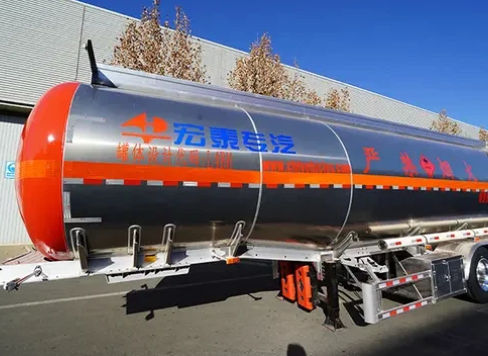
Before transporting fuel, it is crucial to inspect the fuel tank trailer thoroughly. Regular maintenance and pre-trip inspections are vital to identify and resolve potential issues before hitting the road.
Check the fuel tank for leaks or signs of wear and tear. Pay close attention to the seals, valves, and fittings. A small crack or faulty valve can lead to fuel leaks, increasing the risk of fire or environmental contamination. If you detect any issues during your inspection, do not use the trailer until repairs are made.
Ensure that the fuel lines, hoses, and nozzles are in good condition. These parts should be tightly sealed and free of cracks or holes.
Before towing the fuel trailer, ensure that your towing vehicle is compatible with the trailer’s weight and design. Check the trailer hitch and ensure the tow vehicle’s brakes, lights, and tires are in good working condition. The towing vehicle should be equipped with a brake controller for trailers that exceed certain weight thresholds.
Perform regular maintenance on the fuel tank trailer to ensure its continued safe operation. Clean the tank regularly to remove dirt and residue that can build up over time. Inspect the trailer’s suspension system, tires, and other critical components to ensure they remain in good working condition. If the trailer is used in harsh environments, be sure to check for rust or corrosion frequently.
Proper loading and unloading of fuel are critical steps in maintaining safety during fuel transportation. Mismanagement of fuel during these processes can lead to spills, leaks, or other dangerous situations.
Before you begin loading fuel, ensure that the trailer is securely hitched to the towing vehicle and positioned on level ground. Use wheel chocks to prevent the trailer from rolling during the fueling process.
Always use approved fueling equipment, including nozzles and hoses, to ensure that fuel is transferred safely. Avoid using makeshift equipment, which could cause leaks or spills. During fueling, make sure the nozzle is correctly inserted into the fuel tank to prevent overflows.
When loading fuel into the trailer, never exceed its maximum capacity. Overfilling can lead to spillage, and in the case of a hot day or temperature changes, the fuel could expand and overflow. Always keep an eye on the fuel level and use an automatic shutoff or overfill protection system if available.
When unloading fuel, ensure the area is clear of flames, sparks, or electrical equipment that could ignite the fuel. Discharge the fuel slowly and evenly, and always have the proper fire extinguishing equipment nearby in case of an emergency.
Once the fuel is loaded and the trailer is secure, it’s time to transport the fuel to its destination. However, transporting fuel requires careful driving and constant attention to safety.
Always drive with extra caution when transporting fuel. Avoid sudden accelerations, hard braking, and sharp turns that could destabilize the trailer. Maintaining a safe, moderate speed and following traffic laws will help reduce the risk of accidents.
Whenever possible, avoid driving through high-traffic or crowded areas where the likelihood of accidents increases. If you must drive through urban areas, ensure that the trailer is in good condition, and follow all road safety regulations for transporting hazardous materials.
During the trip, periodically check for leaks or other potential issues. If you notice anything unusual, stop immediately and investigate. It's also advisable to carry a spill kit for quick cleanup in case of minor spills.
In the event of an accident or fuel spill, it’s essential to follow emergency protocols. Have a contingency plan in place and make sure all drivers and operators are trained in handling fuel emergencies. This includes knowing how to activate the trailer’s emergency shutoff valve, use fire extinguishers, and contain any spills.
Transporting fuel safely with a small fuel tank trailer requires careful attention to detail, proper planning, and strict adherence to safety regulations. By choosing the right trailer, performing thorough inspections, and following best practices during loading, unloading, and transportation, you can ensure that your fuel is transported safely and efficiently.
Whether you're transporting fuel for construction, agricultural machinery, or other equipment, a well-maintained small fuel tank trailer is an invaluable asset for your business. Proper safety measures, combined with the right equipment and knowledge, will help you mitigate risks, avoid accidents, and comply with all necessary regulations.
By investing in safety and operational efficiency, businesses can transport fuel with confidence, knowing they are taking all the necessary precautions to protect their employees, equipment, and the environment.


