
Views: 172 Author: Site Editor Publish Time: 2026-01-07 Origin: Site


When you're in the market for a fuel trailer, whether for commercial, agricultural, or personal use, it’s essential to make an informed decision to ensure you are investing in a reliable and efficient product. Fuel trailers are designed to safely transport and store fuel, making them crucial for industries like construction, agriculture, and emergency response. However, choosing the right fuel trailer requires careful consideration of several factors.
This article will explore what to look for when buying a fuel trailer for sale. We will cover aspects such as capacity, material quality, compliance with regulations, safety features, and maintenance requirements to help you make a wise purchasing decision.
One of the first decisions you'll need to make when buying a fuel trailer is the capacity. The size of the trailer should be based on how much fuel you need to transport regularly.
Fuel trailers come in a variety of sizes, typically ranging from 50 gallons to several thousand gallons. For smaller businesses or personal use, a 100 to 200-gallon fuel trailer may suffice. These smaller trailers are portable and can be used for fueling small machinery or vehicles, making them ideal for agricultural or remote jobsites.
For larger operations or commercial uses, fuel trailers with 500 to 1,000-gallon capacities may be more appropriate. They can handle larger fleets of vehicles or equipment, reducing the need for frequent refueling trips.
Choosing the right fuel trailer capacity depends on several factors:
Fuel Consumption Needs: If you're running a large construction site or a fleet of trucks, you'll need a larger fuel trailer to meet the demand.
Storage Limitations: Some businesses or job sites may have space restrictions, so the size of the trailer must fit within those limits.
Transport Considerations: Larger trailers require more powerful towing vehicles, so ensure your vehicle is capable of towing the selected size.
When considering the size, it's also important to think about whether you want a single tank trailer or one with multiple compartments. The latter allows you to store different types of fuel (diesel, gasoline, kerosene, etc.) in one trailer, making it versatile for varied needs.
Fuel trailers are built to withstand the harsh conditions of frequent use and transportation. Therefore, the material quality of the trailer is one of the most important aspects to consider.
The two most common materials for fuel trailer construction are steel and aluminum.
Steel: Steel fuel trailers are known for their durability and strength. They are ideal for heavy-duty tasks and are less prone to wear and tear from harsh working environments. However, steel trailers tend to be heavier and more susceptible to rust unless treated or coated with a protective layer.
Aluminum: Aluminum fuel trailers are lighter than steel trailers, making them easier to maneuver. They are also resistant to corrosion, which is a major advantage if you’re operating in environments prone to moisture or salt. However, aluminum may not be as strong as steel and might not be as suitable for extreme weight-bearing needs.
Regardless of whether you choose a steel or aluminum trailer, corrosion protection is vital. Ensure the trailer has been treated with a protective coating like powder coating or galvanization. This helps prevent rust, prolonging the life of the trailer and ensuring safe transport of fuel over time.
The tank itself should be made from high-quality, fuel-resistant materials that are specifically designed to handle the fuel types being transported. Check whether the tank is double-walled for added safety, particularly if you’re transporting hazardous fuels. Double-walled tanks provide an extra layer of protection in case of leaks.
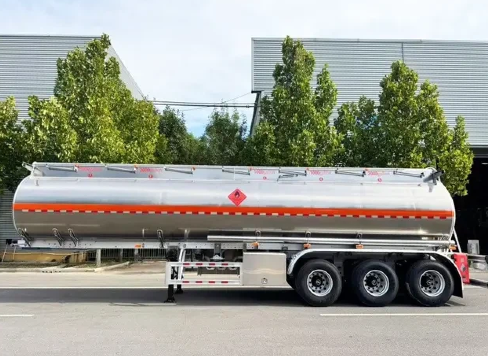
Fuel trailers are subject to a wide array of safety regulations that vary by region, country, and type of fuel being transported. Before buying a fuel trailer, make sure it meets the necessary regulatory standards.
In the United States, fuel trailers must comply with Department of Transportation (DOT) regulations, which cover vehicle design, operation, and safety. You also need to ensure that the trailer complies with Environmental Protection Agency (EPA) regulations, especially regarding fuel storage and emissions control.
Check the trailer’s compliance certification to ensure it meets these standards. The trailer should come with a certificate of compliance stating that it adheres to safety standards, including proper labeling, spill containment, and environmental protection features.
If you plan to transport fuel across state or national borders, you will need to ensure the trailer adheres to international or local transport standards, including those set by organizations such as the International Maritime Organization (IMO) or the International Civil Aviation Organization (ICAO).
The safety of your cargo, the trailer, and everyone involved in the transportation process should be your top priority. Fuel trailers, by their very nature, can pose serious risks, so it’s crucial that the trailer comes equipped with comprehensive safety features.
Ensure that the fuel trailer has an emergency shut-off valve that can stop the flow of fuel in case of a spill or leak. This feature prevents hazardous fuel spills and ensures quick action in emergencies.
Overfilling a fuel trailer can cause fuel to spill, posing serious environmental and safety risks. Check that the trailer is equipped with overfill protection systems such as auto shut-off valves or spill containment trays. These systems can detect when the tank is full and automatically stop the flow of fuel, preventing accidents.
Fuel tanks need to be properly ventilated to avoid the buildup of pressure, which can cause the tank to rupture or explode. Look for a trailer that has adequate ventilation systems or pressure relief valves. These features ensure that gases don’t build up inside the tank during transportation, maintaining the structural integrity of the trailer.
Fuel trailers should be marked with reflective decals or warning signs to indicate that the trailer is carrying hazardous materials. This helps prevent accidents, especially when driving at night or in low visibility conditions.
Regular maintenance is essential to ensuring the longevity and functionality of your fuel trailer. When choosing a trailer, consider how easy it will be to maintain over time.
Look for a trailer with easy access to key components such as pumps, valves, and hoses. Maintenance tasks like cleaning filters, checking valves, and replacing hoses will be easier if the parts are accessible without requiring disassembly of the entire trailer.
Consider the availability of spare parts for the trailer, especially if it’s a specialized model. Check with the manufacturer or dealer to ensure that replacement parts are easily accessible and affordable, which can save you time and money when repairs are needed.
When buying a fuel trailer, it’s essential to balance quality with cost. While it may be tempting to choose a cheaper option, remember that quality materials and safety features are paramount in ensuring the safe transport of fuel.
The upfront cost of a fuel trailer will depend on factors like capacity, material, and features. However, it’s important to look at this purchase as a long-term investment. A high-quality fuel trailer will reduce maintenance costs, improve operational efficiency, and enhance safety, ultimately saving you money in the long run.
Ensure the trailer comes with a comprehensive warranty that covers key components like the tank, hoses, and safety systems. A good warranty offers peace of mind and ensures that you’re covered in case any parts fail or malfunction.
When buying a fuel trailer for sale, you must consider a range of factors, from capacity and material quality to safety features and compliance with regulations. Taking the time to assess your needs and understand what’s available in the market can help you choose the right trailer for your business. Whether you are transporting fuel for construction sites, agriculture, or fleet operations, the right fuel trailer will make your operations safer, more efficient, and cost-effective. By ensuring the trailer meets all safety standards, offers durable construction, and is easy to maintain, you can enjoy long-term reliability and peace of mind.


