
Views: 12 Author: Site Editor Publish Time: 2025-12-05 Origin: Site


A 100-gallon fuel trailer is an essential tool for businesses that need to transport and store fuel for machinery, vehicles, or equipment. Whether you're in construction, agriculture, or any other industry that requires fuel on-site, maintaining your fuel trailer is key to ensuring its long-term durability, efficiency, and safety. Proper maintenance helps prevent breakdowns, improves fuel management, and ensures your trailer meets safety and regulatory standards.
In this article, we’ll cover essential tips and best practices for maintaining your 100-gallon fuel trailer to ensure it continues to function smoothly for many years. We’ll address the key components of your trailer, from the fuel tank to the pump and the tires, and provide a comprehensive maintenance routine to keep everything in top shape.
The fuel tank is the heart of your 100-gallon fuel trailer. Over time, dirt, debris, and residue from fuel can accumulate, potentially leading to clogs, leaks, or contamination. Regularly inspecting and cleaning the fuel tank and its components is essential to maintain safe and efficient operation.
Inspect the fuel tank and all fuel lines for any visible signs of leaks. Leaks can occur due to cracks in the tank or wear and tear on the fuel hoses. A leak in your fuel system can not only result in fuel loss but also pose significant safety risks. If you detect a leak, make sure to repair or replace the affected parts immediately.
Over time, dirt and debris can accumulate inside the fuel tank, leading to potential blockages in the system. Drain the fuel tank and flush it regularly to remove any contaminants. You can use a specialized cleaning solution or a fuel tank cleaning kit to ensure thorough cleaning. Doing so will help prevent fuel clogs in the pump, filter, and delivery hoses.
Your fuel trailer’s fuel filter plays a critical role in keeping dirt, water, and other impurities out of the fuel system. Regularly check and replace the fuel filter to maintain fuel quality and prevent damage to the engine or machinery being fueled. Replacing the filter every 3 to 6 months (or as specified by the manufacturer) can ensure optimal performance.
The fuel pump and dispensing system are vital to ensuring fuel is delivered efficiently and safely to your equipment. Regular maintenance of these components can help extend their lifespan and improve fueling efficiency.
A well-maintained fuel pump is crucial for smooth operation. Apply lubricant to the pump’s moving parts to ensure it continues to function without friction. Lubricating the pump regularly also prevents rust and corrosion from forming, which could lead to breakdowns.
Check the fuel lines for wear and tear. Over time, exposure to fuel, heat, and weather conditions can cause fuel lines to crack, warp, or weaken. Replace any fuel lines that appear cracked or brittle to avoid leakage and ensure that fuel is properly delivered. Be sure to inspect the connection points at the pump, fuel tank, and nozzle for any loose fittings.
Over time, dirt, debris, and fuel residue can accumulate in the fuel nozzle and hose, potentially clogging the fuel system. Regularly clean the nozzle and hose to prevent blockages and ensure smooth fuel transfer. You can use compressed air or a cleaning brush to clear any obstructions.
Ensure that the automatic shut-off valve functions correctly. This safety feature is designed to stop the fuel flow when the tank is full. Test it regularly to make sure that it engages at the right moment to prevent overfilling. If it malfunctions, it could lead to fuel spills or leaks.
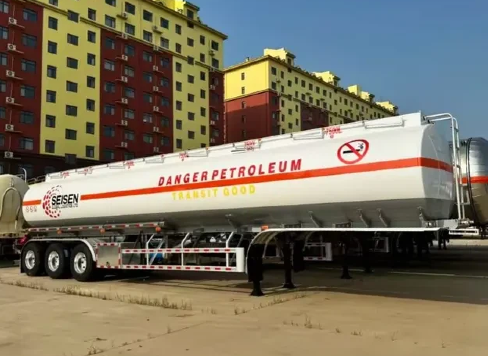
The tires of your 100-gallon fuel trailer are crucial for safe transport. Maintaining the tires ensures that your trailer is stable on the road, reducing the likelihood of accidents or uneven wear. Poor tire maintenance can also lead to inefficient fuel transport and increase operating costs.
Regularly inspect the tires for any signs of damage, such as cracks, bulges, or punctures. Worn-out tires can reduce the stability and safety of your fuel trailer. If you notice any of these issues, replace the tires immediately to avoid breakdowns or accidents during transport.
Maintaining the correct tire pressure is critical for safe and efficient operation. Under-inflated tires can cause increased fuel consumption and wear, while over-inflated tires may reduce traction and lead to uneven wear. Check the tire pressure regularly using a tire gauge and ensure it matches the recommended PSI specified by the manufacturer.
If your fuel trailer is in regular use, it’s a good idea to rotate the tires every 6 months or as needed to ensure even wear. Uneven wear can lead to poor handling and the need for tire replacements sooner than expected.
The battery and electrical system of your fuel trailer are essential for powering features like the pump and lighting. Maintaining these systems ensures that your trailer operates efficiently and safely.
Check the battery for signs of corrosion, leakage, or damage. Clean the battery terminals with a wire brush to prevent corrosion from interfering with power flow. Ensure that the battery is securely fastened to avoid any movement or vibration that could cause damage. Replace the battery if you notice a significant drop in performance or if it’s nearing the end of its lifespan.
Test the electrical components of your fuel trailer, such as the lights, wiring, and connections, to ensure they are functioning correctly. Faulty wiring or damaged lights could cause safety hazards or affect the operation of the trailer. Replace any defective components immediately.
Fuel trailers are required to meet certain safety standards to prevent accidents, spills, and environmental damage. Ensure that your 100-gallon fuel trailer is equipped with the necessary safety features and that they are in good working condition.
Fuel trailers often come with spill containment systems, such as secondary containment tanks or spill trays. These systems are designed to catch any fuel that might spill during loading, unloading, or while the trailer is in transit. Regularly inspect these containment features for any signs of damage or wear, and replace them if necessary.
Proper ventilation is crucial for preventing fuel vapors from building up inside the trailer. Check that the vent valves and breather caps are functioning correctly and not clogged. This helps maintain the safety of both the trailer and the surrounding environment.
Ensure that your fuel trailer is equipped with fire safety equipment, such as fire extinguishers and emergency shut-off valves. Regularly inspect these items to ensure they are fully functional and easily accessible in case of an emergency.
If you operate in colder climates, winterizing your fuel trailer is essential to prevent damage from freezing temperatures.
If your fuel trailer is not going to be used for an extended period during the winter, it’s a good idea to drain the tank to avoid fuel freezing inside the lines and pump. You can also add a fuel stabilizer to prevent fuel degradation and ensure optimal performance when the trailer is needed again.
Consider using insulation covers or other protective measures to keep the fuel tank and pump from freezing. Insulation helps maintain the optimal temperature and reduces the risk of fuel-related issues in extreme cold weather.
Proper maintenance of your 100-gallon fuel trailer is essential for ensuring its longevity, efficiency, and safety. Regularly inspecting the fuel tank, pump, tires, electrical systems, and safety features can help prevent costly repairs, reduce downtime, and ensure smooth operation. Additionally, following best practices for fuel management and safety compliance will help your business run more efficiently and reduce the risk of accidents.
By keeping up with routine maintenance, your 100-gallon fuel trailer can serve your business for years to come, supporting safe and efficient fuel transport and management.
For reliable fuel trailers and expert guidance on maintenance, China Hongtai International Vehicles Co., Ltd. offers high-quality trailers that meet industry standards for safety, performance, and longevity. With a focus on customer satisfaction and product excellence, China Hongtai is a trusted name in fuel trailer solutions.


